What to Fix Before Selling a House: Pre-Listing Repair Guide
Deciding what to fix before selling a house is one of the most critical steps in preparing your property for the market. However, many homeowners feel overwhelmed by the endless list of potential repairs. In addition, overspending on unnecessary upgrades can strain your overall moving budget. For this reason, taking a strategic approach allows you to focus on high-impact maintenance tasks. Evaluating your home systematically helps you address structural, mechanical, and visual concerns early. Consequently, you can organize your prep work efficiently alongside a comprehensive 30-day home-selling preparation checklist.
What to Fix Before Selling a House: Priority Checklist
Evaluating what to fix before selling a house requires focusing on safety and core functionality first. Buyers routinely hire professional home inspectors to examine major residential systems. For instance, active plumbing leaks, outdated electrical panels, and HVAC failures frequently lead to lengthy negotiations. Therefore, addressing these primary mechanical concerns before listing remains an essential step.
In practice, addressing basic safety hazards protects both buyers and sellers during showing appointments. Environmental factors also require close attention before opening your doors to visitors. For example, testing for environmental hazards through resources provided by the U.S. Environmental Protection Agency ensures compliance with standard home health guidelines. Furthermore, fixing faulty handrails, loose steps, and trip hazards creates a safe environment for prospective buyers.
Essential Safety and Functional Home Repairs Before Selling
First, inspect all plumbing fixtures throughout your home for hidden leaks or drips. Water damage causes significant long-term structural issues if left unaddressed. Consequently, repairing leaking faucets, running toilets, and damaged caulk should be top priorities. In addition, replacing stained drywall from past leaks demonstrates to buyers that the underlying issue was resolved.
Second, examine your electrical system to ensure every switch and outlet operates safely. Faulty wiring and overloaded circuits represent significant fire risks. As a result, buyers often request credit adjustments when electrical flaws appear on inspection reports. To prevent these complications, replace cracked outlet covers and test ground fault circuit interrupter outlets in kitchens and bathrooms.
Third, schedule standard maintenance for heating and cooling systems before marketing your property. Servicing your furnace or air conditioner helps prove these major systems function properly. Meanwhile, replacing dirty air filters improves indoor air quality immediately. For this reason, keeping recent service records on hand provides clear evidence of ongoing maintenance.
Cosmetic Repairs and Curb Appeal Enhancements
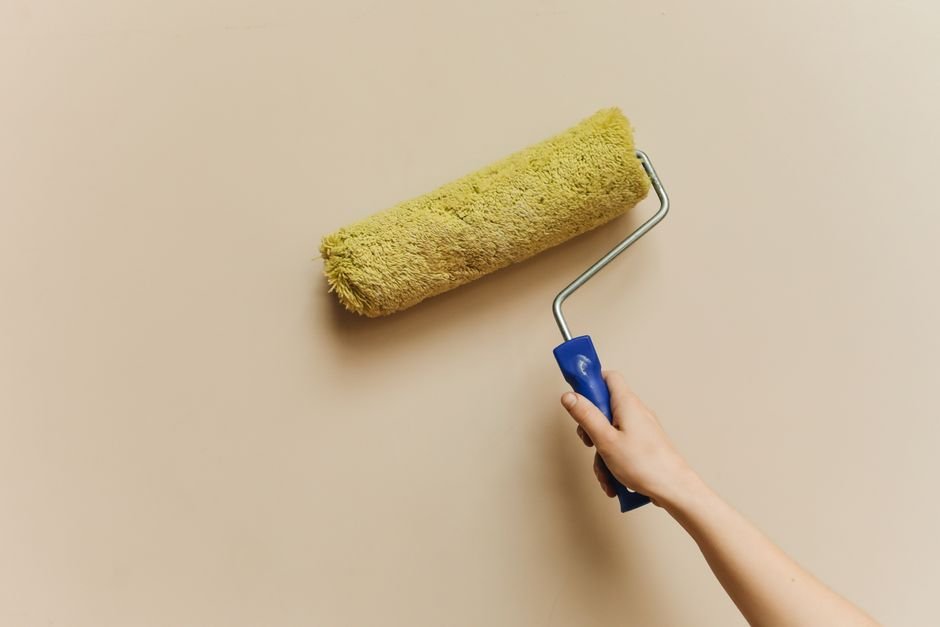
While major systems require functional integrity, visible aesthetic flaws heavily influence initial impressions. In fact, first impressions often shape how buyers evaluate the overall condition of a residence. For example, chipped paint, scuffed walls, and outdated carpet can make a home feel neglected. Therefore, applying fresh, neutral paint remains one of the simplest updates a homeowner can execute.
Additionally, exterior maintenance plays a massive role in creating inviting curb appeal. Power washing siding, clearing gutters, and tidying landscaping instantly improve property appearance. Furthermore, repairing broken fence panels and re-staining worn front doors adds immediate visual appeal. In contrast, ignoring exterior maintenance can make prospective buyers hesitant before they even step inside.
Inside the home, pay close attention to interior doors, cabinet hardware, and flooring. Loose door handles, sticking doors, or squeaky hinges indicate minor wear that is easy to correct. Likewise, deep-cleaning carpets or repairing minor hardwood scratches creates a well-maintained atmosphere. As a result, small aesthetic touch-ups help present your space in its best possible light.
Deciding What to Fix Before Selling a House vs. Selling As-Is
When analyzing what to fix before selling a house, major structural or roof issues often require professional trade expertise. Repairs involving foundation cracks, roof replacements, or main sewer line repairs demand substantial capital. However, taking on extensive renovations right before listing may not always deliver a full return on investment. Therefore, sellers must balance necessary repairs against the total hidden costs of selling a home.
In some cases, offering a pricing allowance or selling as-is may make better financial sense. For instance, if a roof is near the end of its lifespan but still functional, a price adjustment can accommodate the buyer’s future replacement plans. On the other hand, unaddressed safety hazards can stall sales contracts completely. Consequently, distinguishing between critical structural repairs and optional cosmetic upgrades is crucial for budgeting.
Knowing When to Hire Local Trade Professionals
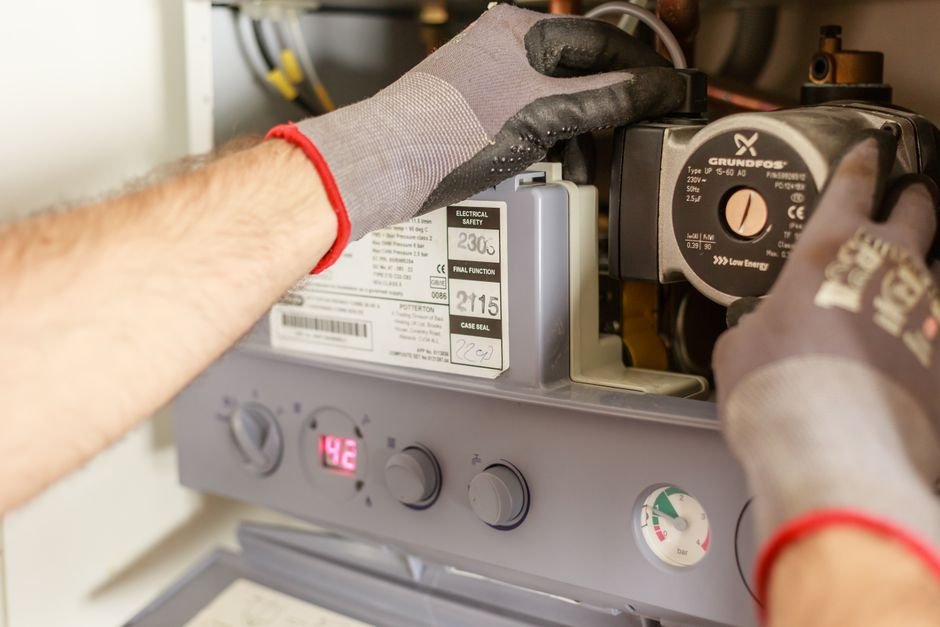
Simple DIY tasks like painting walls or swapping cabinet hardware are manageable for most homeowners. Nevertheless, complex electrical work, gas line adjustments, and major plumbing projects require licensed expertise. Attempting major repairs without proper credentials can lead to code violations or safety risks. For this reason, consulting experienced professionals needed before selling your home is a prudent step.
Local trade specialists bring accurate diagnostic equipment and knowledge of regional building codes. Furthermore, work completed by licensed contractors provides peace of mind to buyers and lenders alike. As a result, hiring certified professionals ensures that major repairs meet all local standards and pass inspection smoothly.
Pre-Listing Maintenance Checklist
To streamline your preparation, organize your repair tasks into clear, actionable categories. For example, using a systematic approach prevents critical items from slipping through the cracks. In addition, tackling tasks in logical order keeps your pre-listing schedule organized and efficient.
Use the following checklist to guide your pre-listing maintenance efforts:
- Roof and Exterior: Clean gutters, inspect shingles, power wash siding, and repair damaged trim.
- Plumbing: Repair dripping faucets, seal leaking pipes, replace worn caulk, and test water pressure.
- Electrical: Replace broken switch plates, ensure GFCI outlets function, and upgrade flickering light fixtures.
- HVAC: Replace air filters, schedule professional system tune-ups, and clean supply vents.
- Interior Finishes: Patch wall holes, apply neutral paint, fix sticking doors, and secure loose handrails.
Preparing Your Home for a Successful Sale
Ultimately, understanding what to fix before selling a house helps homeowners navigate the listing process with confidence. Addressing essential repairs early eliminates unnecessary friction during home inspections and contract negotiations. Furthermore, organizing your maintenance plan allows you to manage your budget effectively.
Whether you handle simple touch-ups yourself or bring in local trade experts, thorough preparation pays off. Local service providers, contractors, and inspectors can help evaluate your property’s unique needs. For homeowners preparing to list, finding the right local experts ensures every pre-listing repair is completed efficiently and professionally.