The Complete Open House Checklist for Homeowners
When you prepare to sell your home, using a structured open house checklist ensures that every room looks its absolute best. First impressions happen within seconds after a buyer steps through the front door. Consequently, proper preparation can turn casual visitors into serious buyers. Moreover, taking time to organize your spaces helps buyers visualize themselves living in the home. If you are starting early, reviewing a 30-day home preparation roadmap will establish a comfortable timeline.
Host open houses with confidence by focusing on actionable steps. However, many sellers feel overwhelmed by the long list of maintenance tasks. By breaking your duties into manageable categories, you can maintain control over the entire process.
Why You Need an Open House Checklist
Preparing a home for buyers requires direct focus and clear priorities. For example, clean surface areas immediately attract attention and highlight room dimensions. In contrast, personal clutter often distracts buyers from noticing key architectural features. Additionally, an open house checklist keeps your preparation organized during a busy time. Therefore, you can complete tasks efficiently without missing crucial details.
Before starting deep preparation, differentiate routine cleaning from necessary structural maintenance. For instance, fixing leaky faucets or replacing damaged trim requires technical tools and extra planning. If your property needs major repairs, consult a pre-listing repair guide to prioritize structural tasks first. Afterward, you can focus fully on cosmetic preparations.
First Impressions: Curb Appeal and Entryways
The entrance sets the tone for the entire showing experience. For this reason, sellers must clean walkways, sweep porches, and wash front doors. In addition, place a new welcome mat at the doorway to create an inviting atmosphere. Furthermore, ensure exterior light fixtures are spotless and functioning properly.
Landscape details also shape immediate buyer perceptions. Consequently, trim overgrown bushes, mow the lawn, and clear away stray leaves. Meanwhile, remove personal items like bicycles or garden hoses from sight. As a result, the exterior will look tidy and well-maintained.
Room-by-Room Open House Checklist
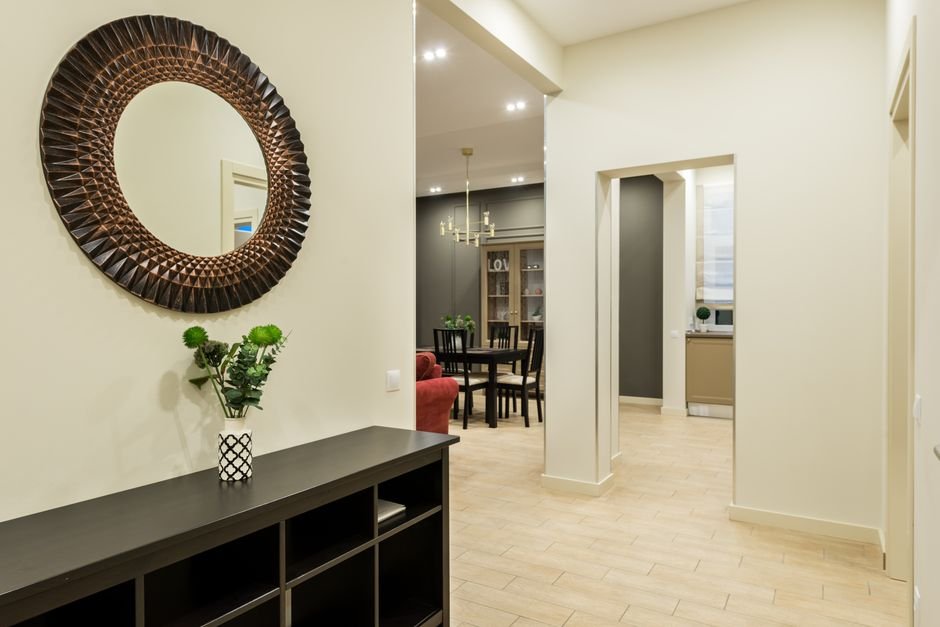
Every primary space in your house needs individual attention. Furthermore, following a clear open house checklist allows you to address subtle details in every room. Start with high-traffic areas before moving on to secondary spaces.
Decluttering Living Areas and Kitchens
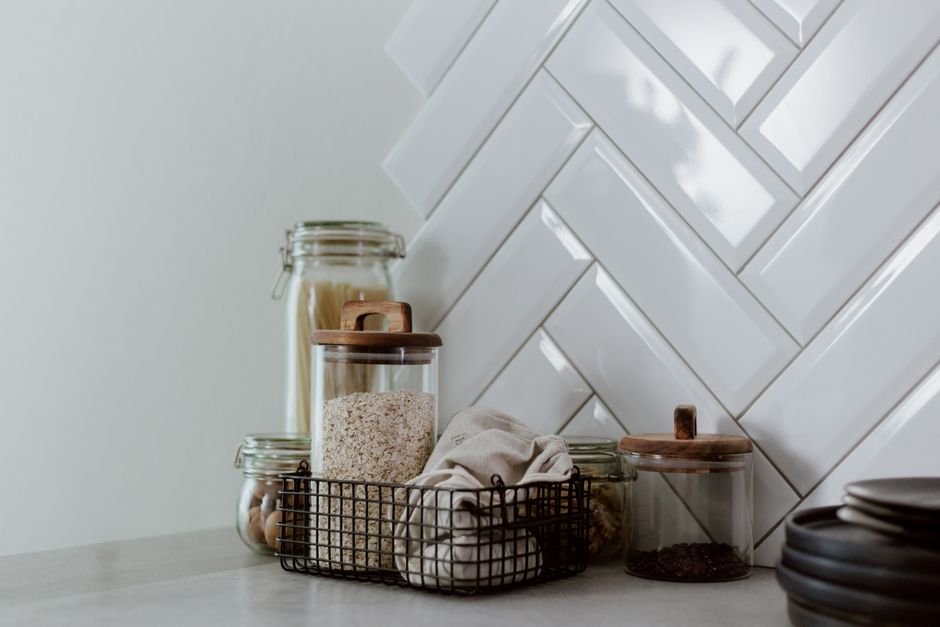
Living rooms and kitchens usually draw the most buyer scrutiny. Therefore, clear all countertops in the kitchen, leaving only minimal decor. For instance, put away blenders, toaster ovens, and drying racks inside cabinets. Similarly, clear living room coffee tables and shelves of personal paperwork. If you need tips on staging visual spaces, read about preparing your home for listing photos for proven layout ideas.
In addition, depersonalize living spaces by packing away family photographs and unique collectibles. Buyers want to imagine their own belongings inside the house. Consequently, neutral decor works best to encourage buyer connections.
Deep Cleaning and Odor Control
A clean home signals to buyers that the property has been cared for dutifully. First, vacuum carpets, mop hard floors, and wipe down baseboards thoroughly. Second, wash window panes to let in maximum natural light. According to guidelines from the U.S. Environmental Protection Agency, improving indoor air circulation effectively reduces trapped odors. Therefore, open windows briefly before visitors arrive to ensure fresh indoor air.
Odor management is particularly vital for pet owners. However, heavy air fresheners or scented candles can trigger allergies or arouse buyer suspicion. Instead, use natural odor eliminators like baking soda and clean pet bedding regularly. On open house day, remove all pet food bowls, crates, and toys from visible areas.
Lighting, Climate Control, and Safety
Atmosphere plays a significant role in buyer comfort during showings. For example, open all blinds and curtains to maximize bright daylight. Additionally, turn on lamps in darker corners to make spaces feel expansive. As a result, the entire home will feel warm and bright.
Furthermore, set your thermostat to a comfortable temperature prior to buyer arrival. In warm summer months, cool indoor temperatures provide instant relief to visitors. Conversely, a warm interior creates a cozy retreat during winter months.
Safety and security require careful attention as well. Therefore, lock away private financial documents, prescription medications, and valuable jewelry in a safe box. Moreover, secure laptops and small electronic devices out of plain view. Ultimately, protecting your personal items ensures complete peace of mind.
Final Walkthrough Open House Checklist
Perform a final visual review right before you leave the property. Indeed, doing a sweep with an open house checklist gives you peace of mind that nothing was overlooked. Take ten minutes to complete these immediate steps:
- Turn on every interior lamp and room light.
- Open interior doors between rooms to enhance flow.
- Empty all trash cans in bathrooms and kitchen spaces.
- Set a clean hand towel in every bathroom.
- Turn off all television screens and computer monitors.
- Take pets off the property during the entire event.
Finally, step outside and lock the door behind you. Consequently, buyers and their representatives can tour the home comfortably without feeling rushed.
Working with Local Home-Selling Professionals
Preparing a property efficiently often requires assistance from experienced vendors. For instance, hiring professional deep cleaners, landscapers, or home stagers saves valuable time. In addition, connecting with skilled local home-selling professionals helps you present your property in its best light. Whether you sell on your own or work with an agent, local experts offer valuable services for your specific market.