
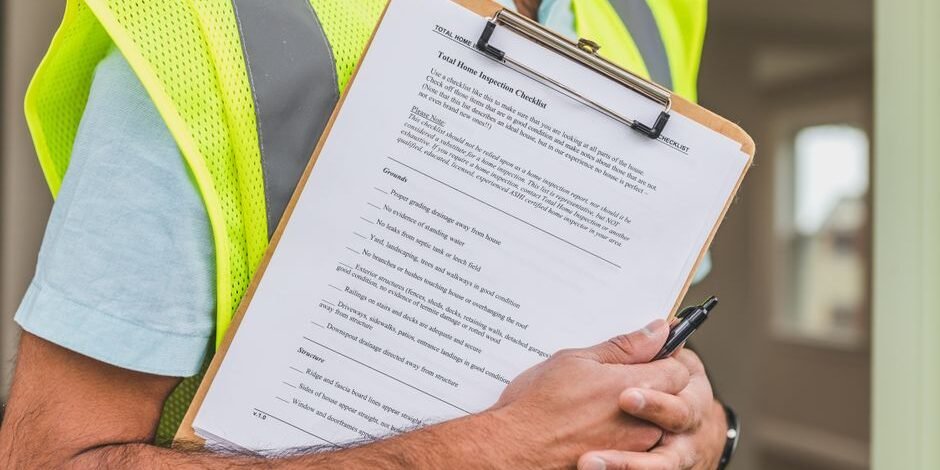
Pre-Listing Home Inspection Guide: What Sellers Should Know
Preparing to sell a house requires careful planning and decision-making. Consequently, many homeowners choose to order a pre-listing home inspection before putting their property on the market. This proactive step gives sellers a clearer picture of their home’s physical condition. In addition, understanding potential issues early allows sellers to navigate sales conversations with realistic expectations.
For "For Sale By Owner" (FSBO) sellers, evaluating structural and mechanical systems independently can feel overwhelming. Therefore, hiring a qualified professional offers valuable baseline information. However, sellers must understand what this process involves, what it costs, and how local disclosure rules affect their choices.
What Is a Pre-Listing Home Inspection?
A pre-listing home inspection is a professional assessment conducted on behalf of the property seller prior to marketing. In contrast to a buyer’s inspection, the seller pays for this evaluation directly. The primary goal is to identify existing defects, maintenance concerns, and safety issues throughout the property.

During the assessment, an inspector examines visible and accessible components. For instance, the evaluation typically covers the roof, foundation, plumbing, electrical panels, heating systems, and cooling equipment. Furthermore, the resulting report details both major system flaws and minor cosmetic notes.
At the same time, sellers must recognize the clear boundaries of any inspection. Inspectors cannot see inside finished walls, underneath permanent flooring, or inside buried sewer pipes. Moreover, an assessment provides a snapshot of current conditions, rather than a guarantee against future equipment failures.
Pros and Cons of a Pre-Listing Home Inspection
Deciding whether to schedule a pre-listing home inspection involves balancing clear benefits against potential drawbacks. First, an early report eliminates unexpected surprises during buyer due diligence. When sellers know about foundation cracks or aging water heaters in advance, they can adjust their pricing strategy accordingly. In addition, reviewing these findings helps sellers decide whether to complete repairs beforehand or reflect conditions in their asking price.
On the other hand, ordering an assessment requires an upfront financial investment. Sellers must factor this expense into their broader hidden costs of selling a home. Additionally, discovering major defects creates a duty to document those issues. Once a problem is known, sellers are legally obligated to handle disclosures properly.
How Disclosure Requirements Impact Home Sellers
Property disclosure laws vary significantly across different states and municipalities. Generally, most jurisdictions require sellers to disclose known material defects to prospective buyers. Therefore, obtaining a formal written report means you can no longer claim ignorance about identified problems.
For example, if an inspector discovers active roof leaks or outdated electrical wiring, that information must be shared according to local real estate disclosure rules. Official guidelines, such as HUD housing inspection resources, emphasize the importance of transparent documentation during residential property sales. Consequently, sellers should consult local real estate attorneys or state regulatory authorities to clarify specific disclosure obligations in their area.
Evaluating Findings and Managing Pre-Sale Repairs
Once you receive the report, reviewing the findings requires a methodical approach. Not every listed issue demands immediate fixing. In fact, sellers usually categorize items into critical safety hazards, functional defects, and simple cosmetic improvements.

For major structural or safety issues, addressing them before listing often makes sense. You can consult a practical pre-listing repair guide to help prioritize necessary fixes efficiently. Meanwhile, minor maintenance items can simply be disclosed to buyers as-is.
Alternatively, sellers may choose to offer price adjustments or repair credits instead of managing contractors themselves. Ultimately, this choice depends on your timeline, available capital, and local housing market conditions.
Practical Pre-Listing Inspection Checklist for Sellers
To ensure a smooth evaluation, homeowners should prepare their property before the inspector arrives. As a result, the inspector can access all critical areas without unnecessary delays.
Here is a concise checklist to prepare for the assessment:
- Clear Access Points: Clear clutter away from attic hatches, crawlspace openings, electrical panels, and water heaters.
- Unlock Service Areas: Ensure locked gates, basement doors, shed doors, and garage access points are unlocked.
- Verify Utilities: Keep electricity, water, and gas services fully connected and operational.
- Check Light Fixtures: Replace burned-out light bulbs so the inspector can test switches easily.
- Secure Household Pets: Crate or move pets away from the home during the scheduled walk-through.
- Gather Maintenance Logs: Place recent repair receipts, HVAC service records, and roof replacement invoices on the kitchen counter.
Integrating the Inspection into Your Selling Timeline
Scheduling a pre-listing home inspection four to six weeks before listing gives sellers essential preparation time. Furthermore, incorporating this step into a comprehensive home-selling preparation checklist keeps your timeline structured and manageable.
This lead time allows sufficient room to obtain contractor estimates, complete repairs, or gather necessary disclosure documents. Consequently, you avoid rushing critical decisions right before launching marketing efforts.
Connecting with Local Home-Selling Professionals
Navigating home sales independently requires reliable support from qualified local professionals. Whether you need independent home inspectors, licensed trade contractors, or real estate legal advisers, working with experienced experts simplifies the entire journey.
SellStacked provides an easy-to-use online directory that helps homeowners directly discover, evaluate, and contact service providers in their specific city. Homeowners, especially FSBO sellers, can browse local listings and reach out directly to independent experts without extra friction. Meanwhile, local service professionals can list their offerings to connect with motivated sellers in their local market.

